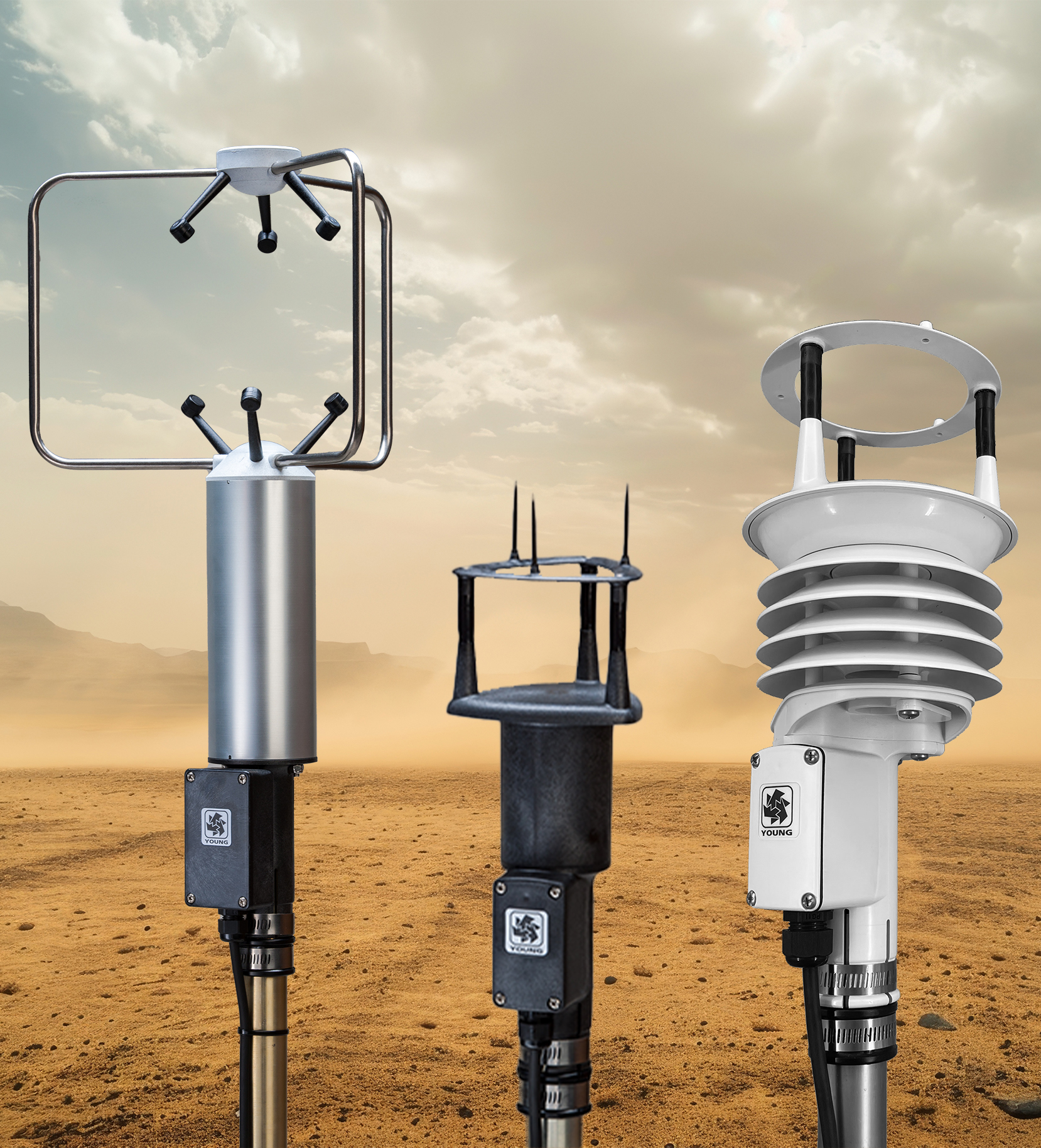
Explore the Full Lineup of R.M. Young Ultrasonic Sensors
From rugged marine environments to critical scientific research sites, R.M. Young ultrasonic sensors deliver unmatched accuracy, reliability, and resilience. Engineered without moving parts, our ultrasonic solutions offer low-maintenance, high-performance measurement of wind and weather—no matter the conditions.
Whether you’re monitoring remote weather stations, optimizing performance on a vessel, or conducting high-precision atmospheric research, we offer a full range of ultrasonic tools designed to meet your unique challenges.
Find Your Style
2D vs. 3D vs. All-in-One: Which Is Right for You?
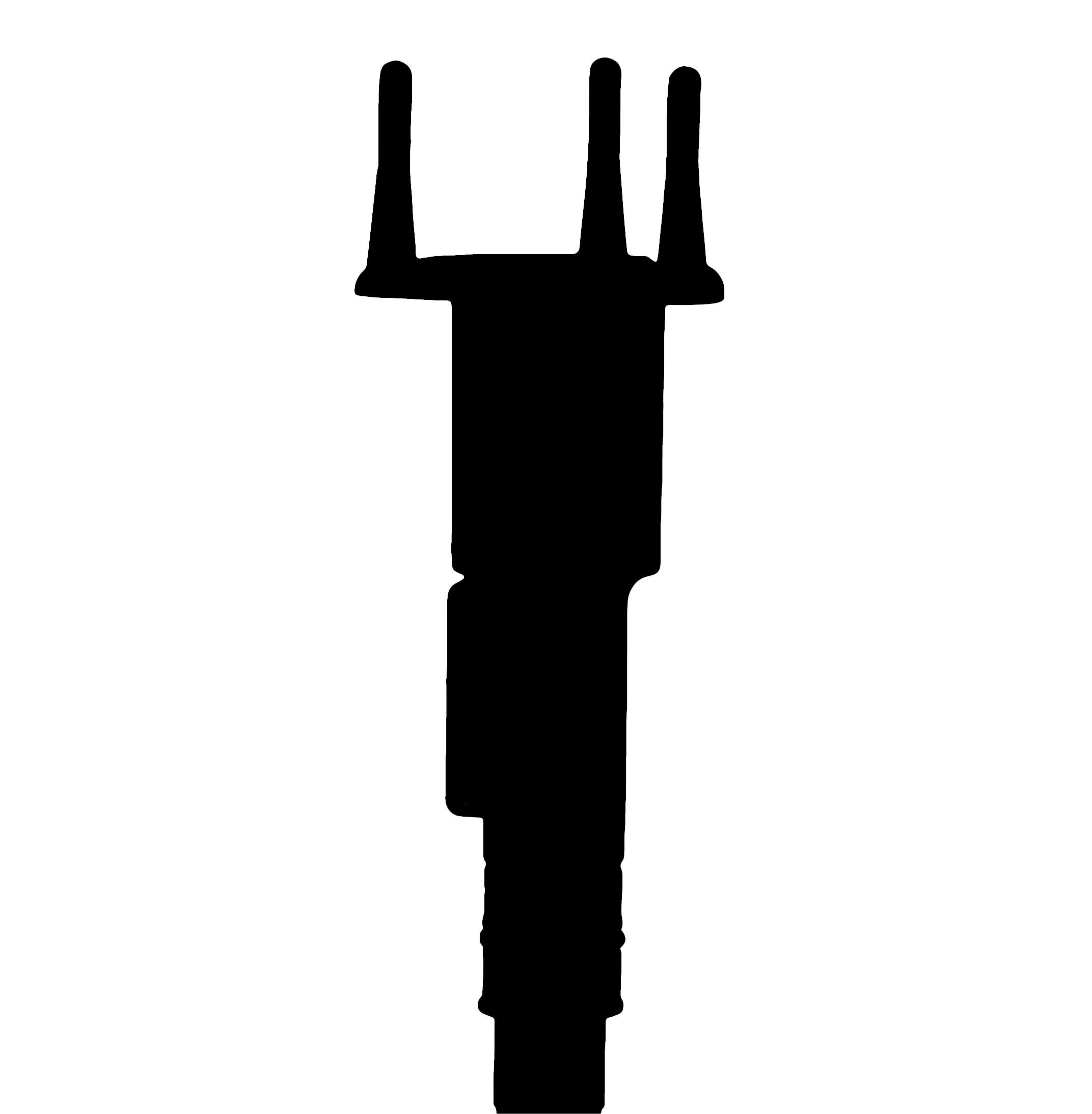
Overview of 2D Ultrasonics
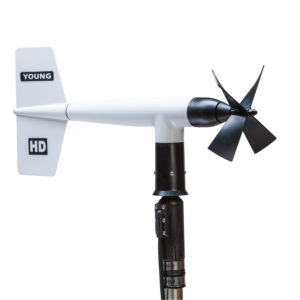
2D ultrasonic anemometers measure two components of wind: speed and direction along the horizontal plane. This is ideal for most operational and meteorological applications, including weather stations, air quality monitoring, and transportation safety. These sensors provide fast, reliable data in real time and are the most commonly used wind measurement tools worldwide.
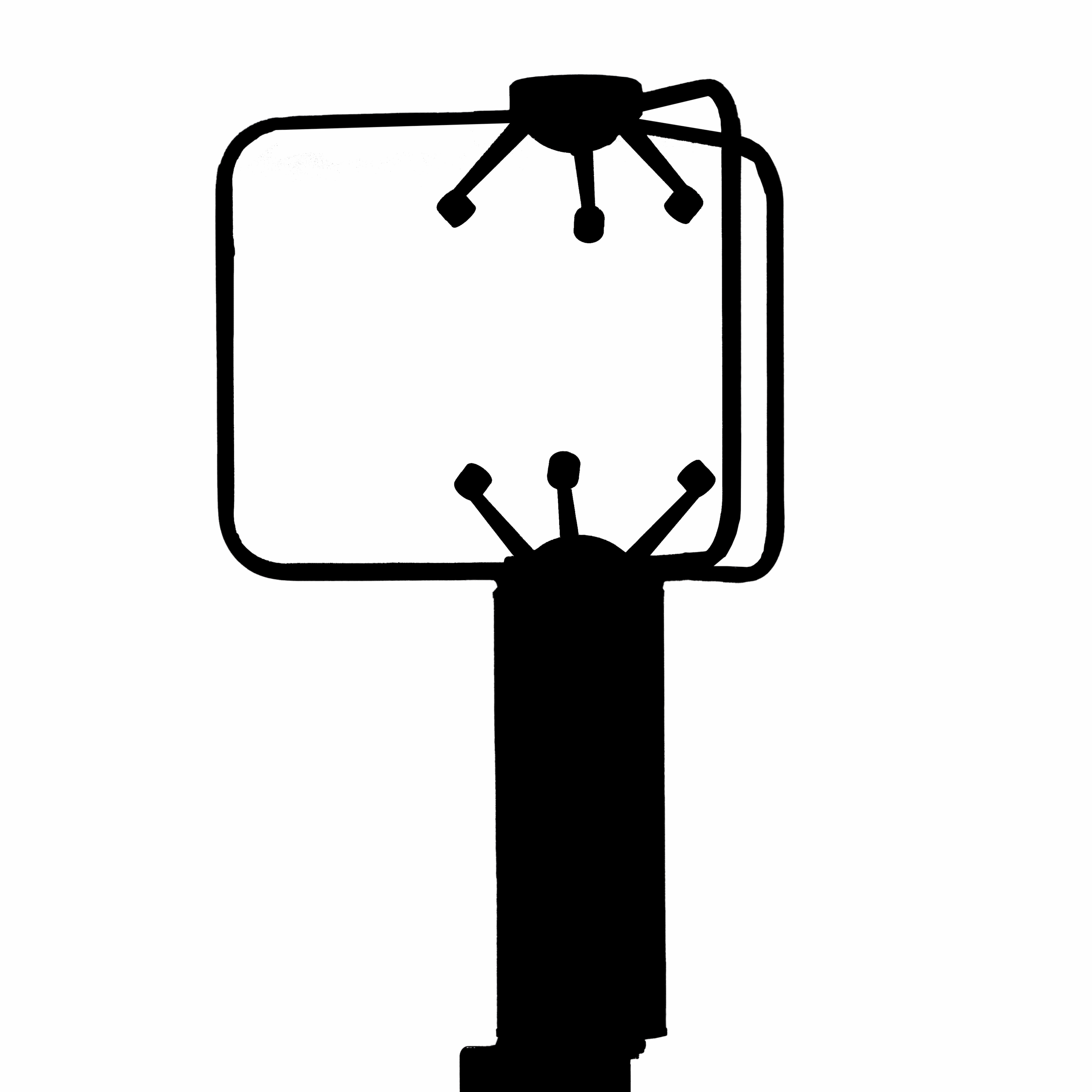
Overview of 3D Ultrasonics
3D ultrasonic anemometers capture a third dimension: vertical wind motion. These advanced instruments detect updrafts, downdrafts, and turbulent airflow—making them invaluable for researchers studying atmospheric boundary layers, turbulence, or wind shear. If you’re analyzing wind behavior in complex terrains or working on climate modeling, a 3D solution delivers the granular data you need.
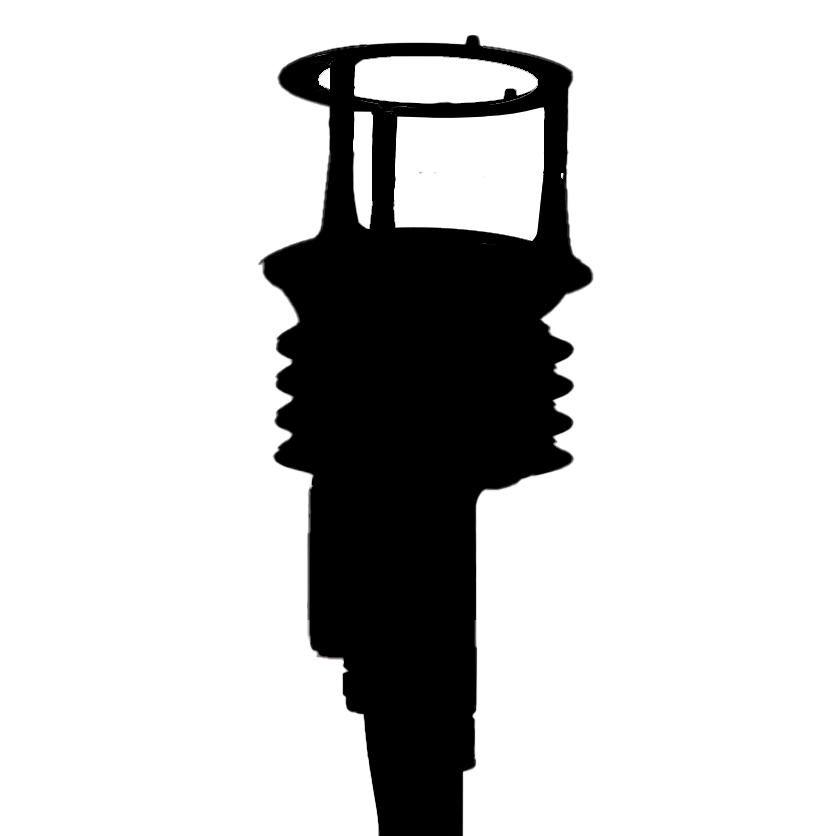
Overview of All-in-Ones
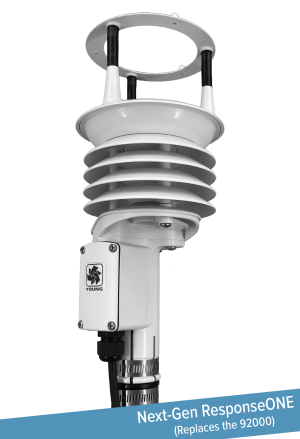
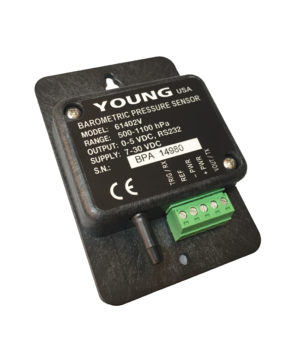
All-in-one weather sensors provide comprehensive atmospheric data—wind speed, wind direction, temperature, humidity, and barometric pressure—from a single, compact device. These integrated systems are ideal for space-limited installations, offering a simplified, cost-effective alternative to full-scale weather stations while still delivering the critical data needed for accurate monitoring.
Benefits of Ultrasonic Sensors
-
High Accuracy and Precision: Detects even subtle changes.
-
No Moving Parts: Minimizes wear for long-term reliability.
-
Rapid Response Time: Delivers real-time data with minimal delay.
-
All-Weather Operation: Performs in extreme conditions; optional heaters ensure cold-weather reliability.
How Ultrasonic Sensors Work
An ultrasonic wind sensor measures the wind by sending out ultrasonic sound waves and measuring the time it takes to go from a sender to a receiver. When the wind blows, the ultrasonic sound waves travel faster or slower depending on the speed and the direction of the wind.
Ultrasonic Sensors for Every Application
2D Ultrasonic Anemometers
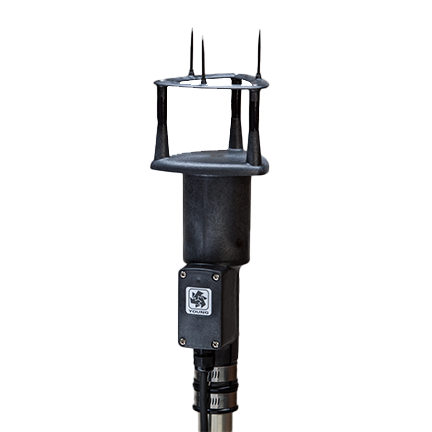
Standard
The 86000 2D Ultrasonic Anemometer offers high performance and low power consumption in a compact size with serial or analog outputs.
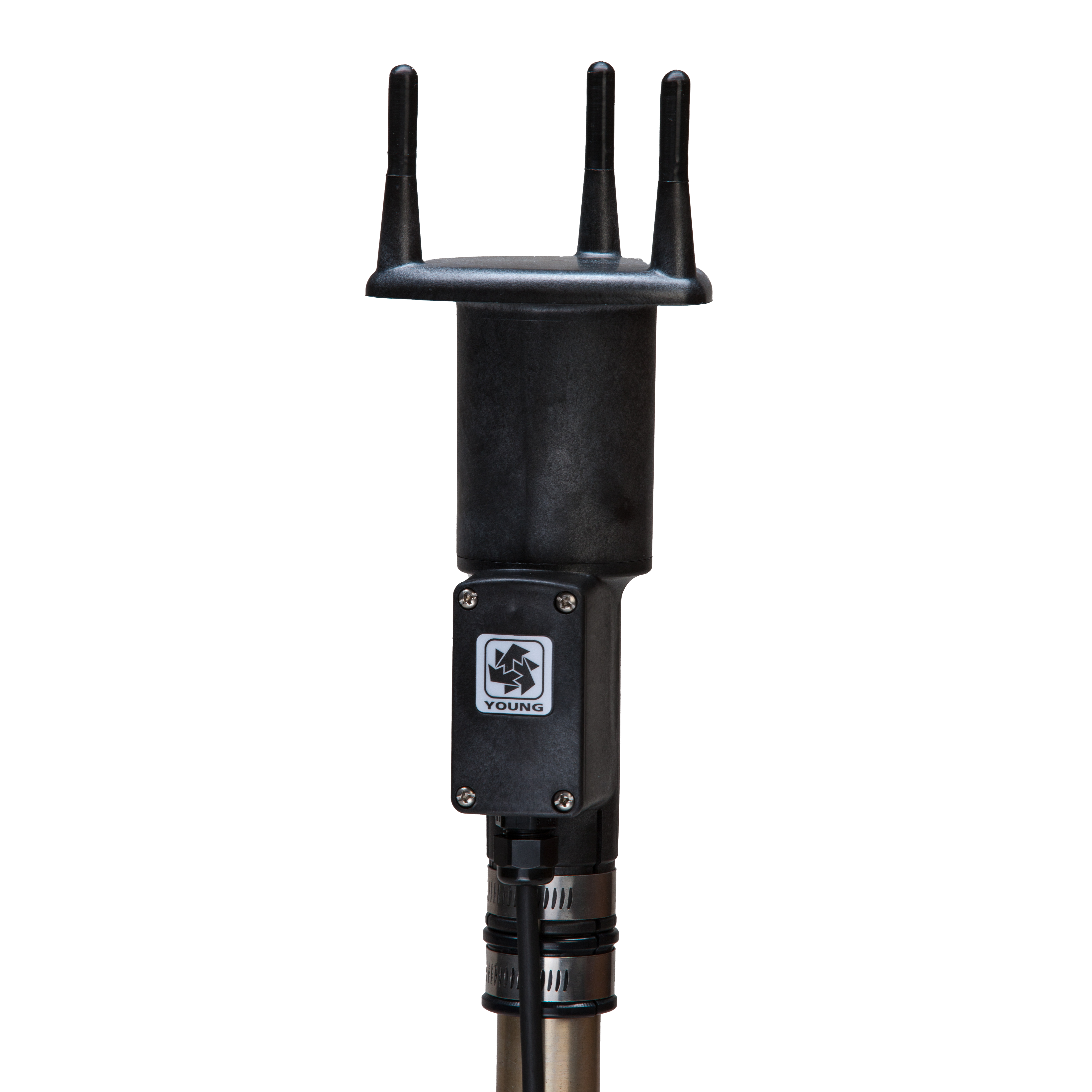
Heated
The 86004 features thermostatically controlled heaters in the transducer and housing surfaces for extended cold weather use.
Marine
The 86106 offers the same high performance and low power use as our standard model, with NMEA output preconfigured for easy marine integration.
3D Ultrasonic Anemometers
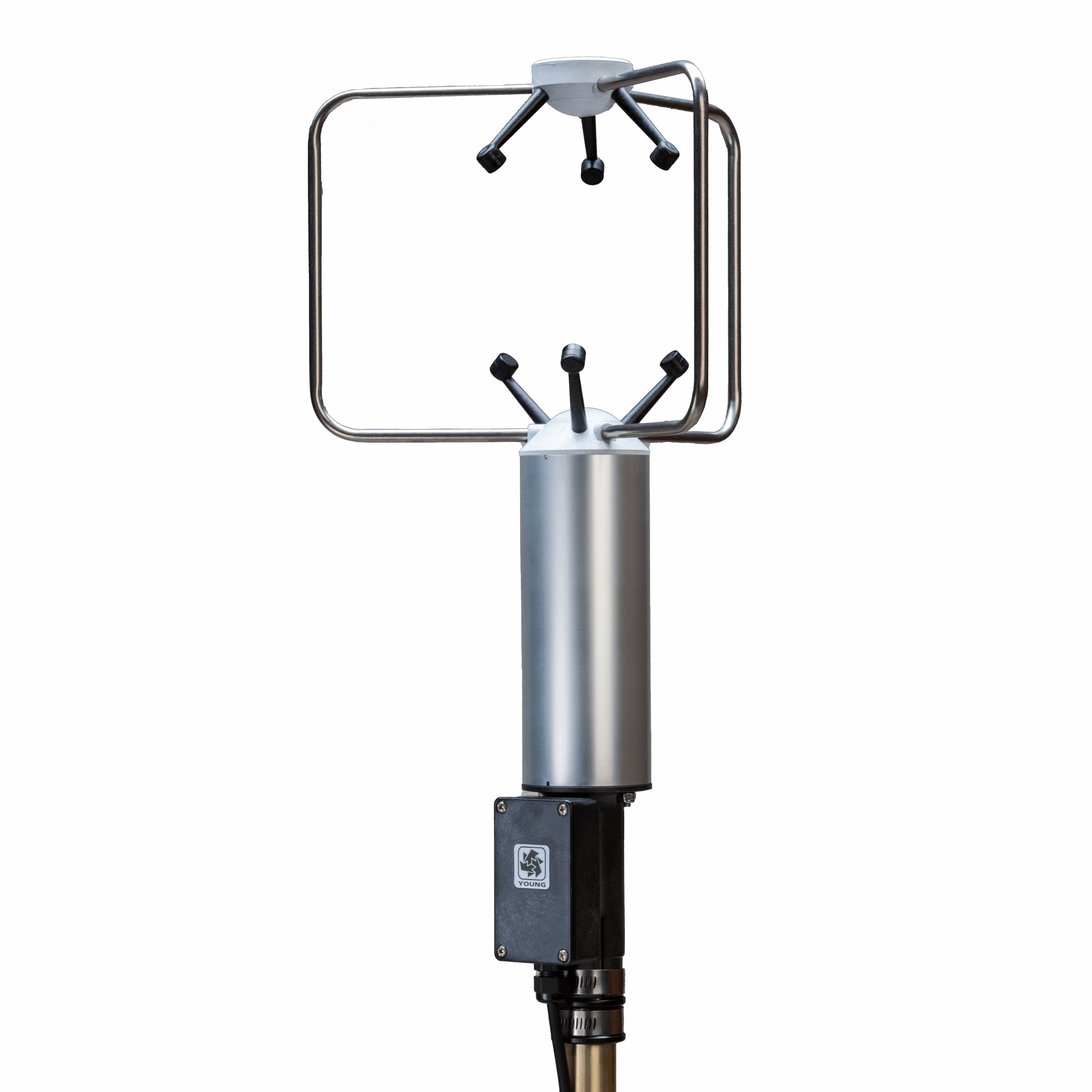
Standard
The original 3D ultrasonic anemometer, 81000, offers both serial and voltage outputs.
Voltage Input
The 81000V offers voltage input and serial output to allow you to output all data in a single cable.
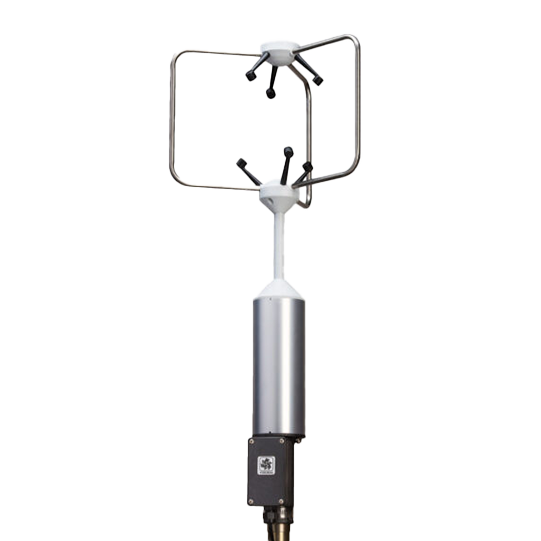
Extended Mast
The 81000RE and 81000VRE feature an extended mast for enhanced performance in ultra-low wind speeds—ideal for specialized research applications.
ResponseONE™ Weather Stations
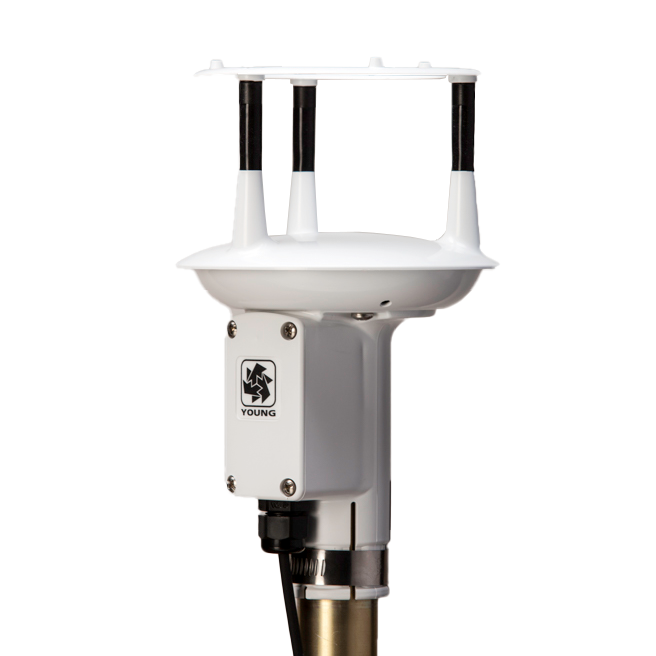
ResponseONE™ Anemometer
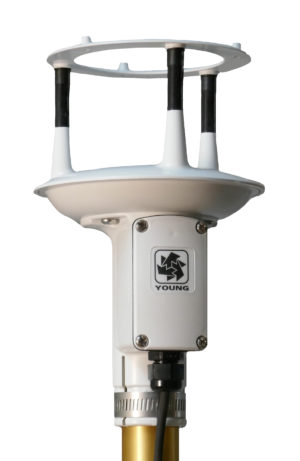
The 91000 is a lower cost ultrasonic anemometer that only offers serial outputs.
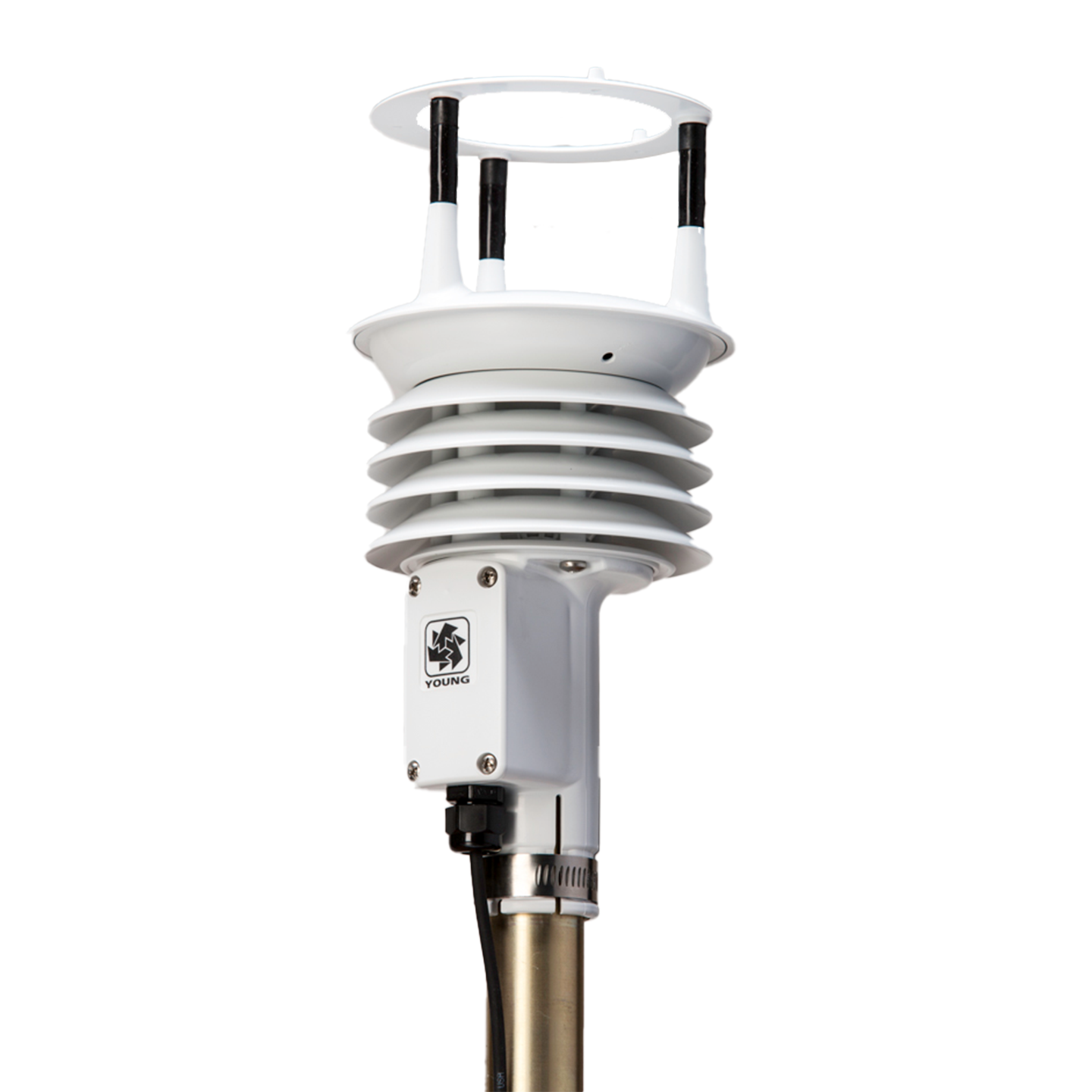
ResponseONE™
All-in-One
The 92000 measures wind speed and direction, temperature, pressure, and humidity in a single, compact footprint.
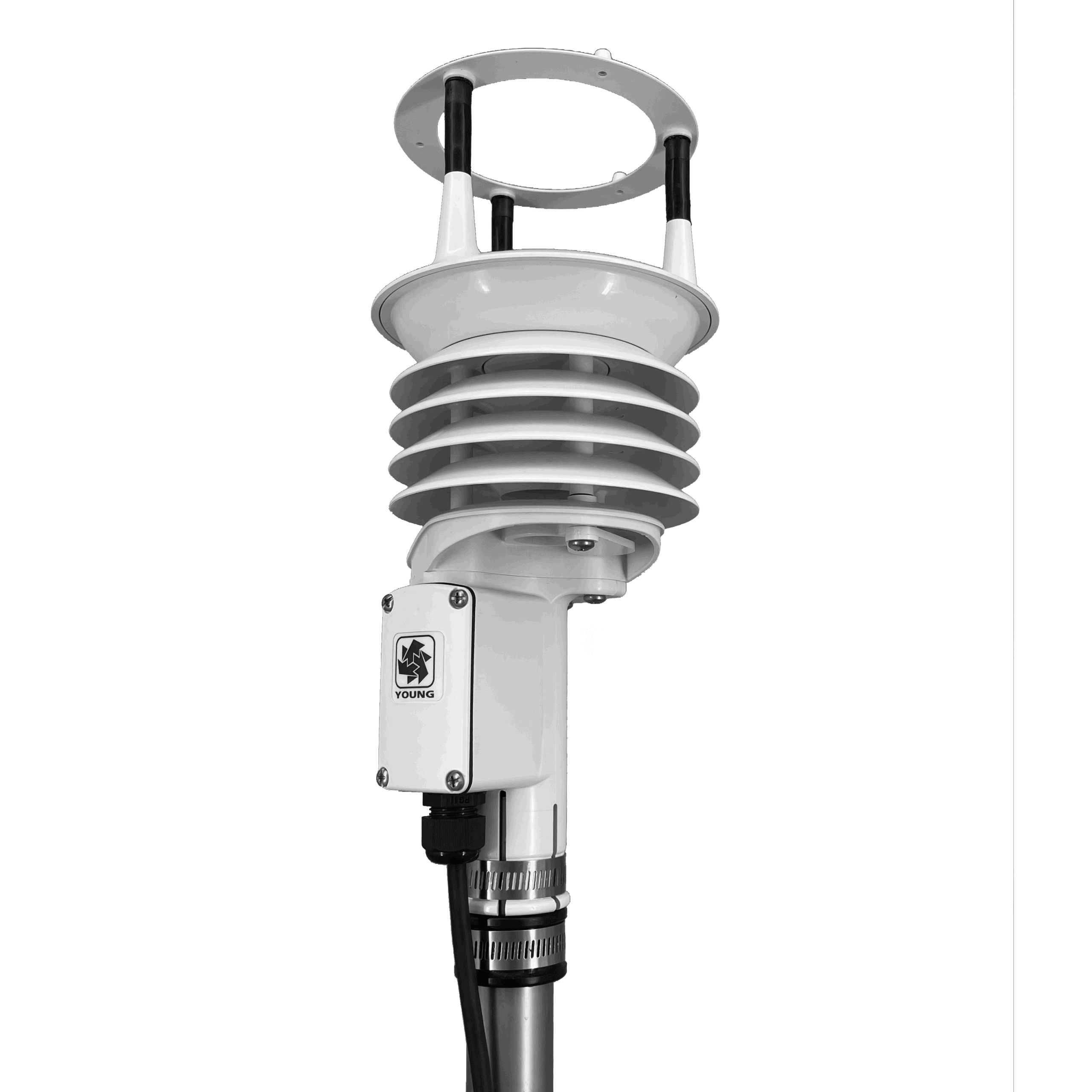
ResponseONE™-PRO
All-in-One
The 93000 also measures wind speed and direction, temperature, pressure, and humidity and also allows you to change the sensor stick and filter quickly and easily in the field.
What Makes us special
We’re a Weather Sensor Company Specializing in Reliability

Extreme Accuracy
Our weather sensors provide reliable, accurate data across a wide operating range that you can count on, which is why they’ve been named the industry’s golden standard.

Durability Tested
We rigorously test the durability of our sensors using a variety of methods, including high speed wind tunnels, an environmental chamber, and exposure to extreme weather conditions worldwide.

Ease of Use
We worked hard to ensure the installation and maintenance of our sensors is as simple as possible. Our experienced support team will work alongside you to ensure no problems pop up.
We harness over 60 years of experience to deliver the industry’s most accurate, reliable weather instrumentation while providing unmatched support. When you call, you will speak with a human, not a machine, and we will work alongside you to ensure that our products are delivering the results you deserve.
Discover why we have been named the gold standard in weather sensing technology.
Want to Learn More?
Check out our blog post on Ultrasonic vs. Mechanical Wind Speed Sensors: Advantages and Disadvantages of Each.
Or complete this form, and one of our experts will reach out within one business day: